
How to Securely Share and Work with Files in Salesforce
FinServ has partnered with a firm out of Germany to provide a seamless integration of SharePoint Online right in Salesforce. If you would like to see a demo, please feel free to contact us at info@finservconsulting.com or by completing our Salesforce inquiry form
The Nightmare Scenario you have to Avoid
Sweat is dripping down your brow and you have a queasy feeling in your stomach, it’s 2 o’clock in the morning and you are desperately trying to reach the person who your Investor Relations team accidentally emailed an investor (NAV) statement with the investor’s social security number in it. If you have shared a sensitive document with the wrong person, you know the sheer terror these moments can bring. We see the most sophisticated financial services companies in the world taken down by these types of mistakes all the time. Even if the email is retrieved the public relations fallout will likely cost you investors or in some extreme instances the shut down of your fund.
Given this risk, it is hard to believe that the majority of funds and other financial services firms are still not integrating their CRM systems with enterprise-level document management systems like SharePoint Online. At FinServ Consulting we work with 40 of the top 100 hedge and private equity funds in the world and very few of these firms currently use enterprise-level document management systems to protect their investor data.
The Quick and Easy way to Use SharePoint Online in Salesforce
Most Salesforce clients abandoned Salesforce Files a long time ago. Due to its lack of user-friendliness and severe limitations, Salesforce Files became one of the least-used features in Salesforce. At the same time, many companies have been moving to cloud-based office suites like Office 365 from Microsoft. With most Office 365 licenses, you get SharePoint Online for free. SharePoint Online is an extremely secure, cloud-based and feature-rich enterprise-level Document Management system.
Has anyone in your firm ever accidentally sent a sensitive document to the wrong client?
SharePoint Online has the ability to stop the recipient from opening that document even if they have already downloaded it onto their computer.
Inserting a Cloud-based Link to a SharePoint Online Document in Email

Removing Access Quickly
If you realize you made a mistake, you can stop the person from accessing the document you shared with just a couple of clicks. Even if they downloaded the document onto their hard drive, they will not be able to open the document thanks to Microsoft’s use of dual-key encryption. This means once you take away your side of the key, they can never open the document again.
2 clicks and access to the document is removed

Has anyone in your company ever accidentally or purposely emailed a file to an external recipient with Social Security numbers in it?
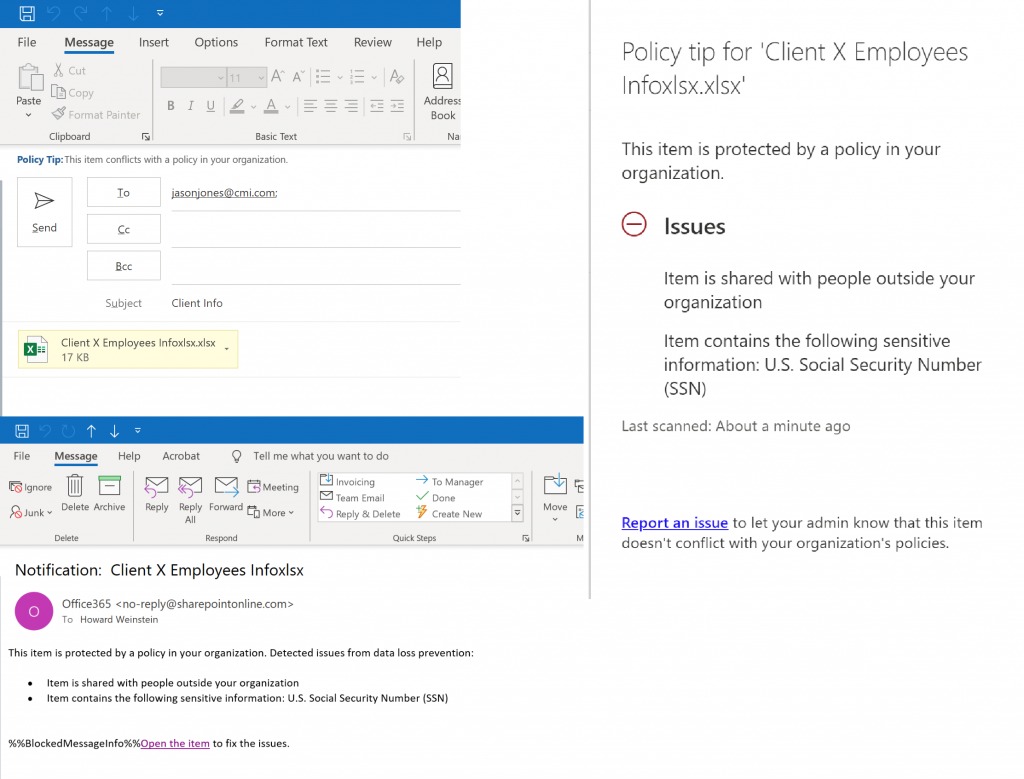
SharePoint Online with Outlook / Email integration means that you can stop any email or attachment from being shared if it contains sensitive info with PII (Personally Identifiable Information).
Particularly for highly regulated industries, like Financial Services and Healthcare, the built-in dual-key encryption and information rights management (“IRM”) features that SharePoint Online offers out of the box are “have to have’s”.
Microsoft PII Warning when Sensitive Data is Detected in a Document
Seamless Integration with our Salesforce App
The application we helped build provides a seamless interface to all of your SharePoint Document Libraries and Files inside the Salesforce Lightning User Interface. The benefits of this application mean that your users will save hundreds of hours they used to spend searching through inconsistent folder structures and names or wading through multiple versions of a file to try to figure out which is the latest version of the file. By automatically linking the Files and Folders to your Salesforce records, you get your data and your files in one combined place to provide optimal efficiency for your team.
Through the application interface you get:
- 1-click to Open just about any kind of file so your team never wastes time with multiple clicks or waiting for a file to download before you can open it
- For Microsoft Office files where you have editor access, it will open up in the Office app in Editor mode
- You can upload files into the document library with 1-click as well
- You can also delete files if you have the correct access with 1-click
- Embedded search available right within the Lightning Component

Investor Relations Use Case
For our Alternative Asset Management clients, we offer the case study of the Investor Relations associate who often spends their day working with investors on questions. The ability to view the investor’s contact record while also looking at the investor’s latest NAV statement or recently updated subscription documents provides a level of efficiency that makes their day-to-day work much easier.
example of Investor Contact record with right sidebar of SharePoint Online Files

How the App Works
Putting the automated component into place is as simple as adding any Lightning Web Component; the interface offers quick and easy checkboxes to turn off and on key features in the application. Once added to any Object Type in Salesforce (standard objects or custom objects are all supported), the interface makes it simple and user-friendly to access your files and folders in seconds.
The quick and easy way to open SharePoint files right in Salesforce!
The application leverages advanced Microsoft technology to provide:
- Automatic creation of preset Folder and Subfolders that are automatically linked to the Salesforce record you just created or updated
- You can use the data in Salesforce to automatically name the Folder; this ensures a consistent naming scheme which will make it easy to find files
- For historical records, we offer automated scripts to create the Folder and Subfolders for all of your existing Salesforce records
Automatically Create a new set of SharePoint Online Folders and Link to your Salesforce Record with no Clicks when you create a New Salesforce Opportunity!
Conclusion
Using an Enterprise-Level Document Management system is a must-have for any company working in a regulated industry like Financial Services or Healthcare. SharePoint Online from Microsoft provides the most cost-effective and robust system in the marketplace. When you combine that with the Salesforce CRM system, you provide your users with a seamless and secure platform to work with customers while ensuring your company’s and your clients documents and data, including PII, remain secure.
The application FinServ has created with our partner provides the level of automation and seamless integration that your users demand and will also ensure they embrace the use of a Document Management system like SharePoint Online.
If you are interested in a demo or would like to purchase the application, please contact us here or by email at info@finservconsulting.com and we would be happy to help.
About FinServ Consulting
FinServ Consulting is an independent experienced provider of business consulting, systems development, and integration services to alternative asset managers, global banks and their service providers. Founded in 2005, FinServ delivers customized world-class business and IT consulting services for the front, middle and back office, providing managers with optimal and first-class operating environments to support all investment styles and future asset growth. The FinServ team brings a wealth of experience from working with the largest and most complex asset management firms and global banks in the world.

Technology Sets Its Sights on Private Equity
The evolution of technology and its impact across various industries has become widely accepted, particularly for Financial Services. However, Private Equity’s acceptance of new technology has lagged behind other subsectors. Resistance is subsiding as Private Equity Funds are rushing to adopt Client Relationship Management (“CRM”) tools, utilize unstructured data, and transition to the cloud.
Relationship Management
Success within Private Equity is reliant upon strong and enduring relationships that are difficult to manage without the proper infrastructure. Scattered data paired with a lack of centralized oversight can serve as a catalyst for inefficiencies that hinder deal execution and frequency. Efforts to combat the before mentioned issues have given rise to the popularity of CRM systems. Furthermore, numerous CRM solutions can be configured to streamline reporting and eliminate user error.
Although the absence of a CRM system can be detrimental to a firm’s success, a poorly configured system that fails to meet user requirements may be worse. Inadequate systems are generally accompanied by a lacking implementation partner that failed to assess the organization’s needs prior to vendor selection. It is crucial to enlist the services of an experienced implementation partner that has “been there, done that”.

FinServ has successfully implemented CRM solutions for countless Alternative Asset Managers and Financial Institutions. Not only are we a Salesforce Partner, but we also have significant experience with other industry CRMs such as Backstop, Clienteer, and Dynamo. FinServ can walk you through the entirety of the process by gathering business requirements, managing the implementation so you can focus on your business, and tailoring the solution to facilitate your unique procedures.
Data Utilization and Analytics
We are in the golden age of data and organizations are eager to leverage as much of it as possible. Unfortunately, sourcing data from a variety of locations often leads to a lack of uniformity and an assortment of issues. Private Equity firms are implementing robust analytics and data science for Transactional Due Diligence, Post-Investment Value Creation, and more. The application of data science within Transactional Due Diligence is exceptionally groundbreaking as perspective buyers are often subjected to tight timeframes of approximately 6 weeks.
Business Intelligence, Data Science, and Machine Learning allow Private Equity firms to conduct real-time analysis and assess billions of data records in a limited amount of time. Granular post-investment analysis can be attributed to geography, customer type, and more. The segmentation of the data enables a comprehensive understanding of the business. Thus, augmenting the Private Equity firm’s ability to perform the focused improvements that are central to their business model.
Exhaustive analysis of the fund’s overarching portfolio and individual companies hinges upon access to structured data. FinServ has the extensive Business Analysis and Operational Assessment experience that is required for structuring processes and data accordingly. We will partner with your organization to remediate operational issues while integrating innovative technology.
Transitioning to the Cloud
Cloud utilization is rapidly increasing as stigmas against housing data in off-premise locations have eroded. Private Equity firms are realizing the significant benefits provided by transitioning their data to cloud environments, SaaS, and IaaS locations. Migration allows firms to focus on their core competencies rather than hosting data. Cybersecurity is a predominant concern that will be alleviated by outsourcing a portion of the responsibility to an organization that exclusively focuses on housing internal and client data. Safeguarding this sensitive information is required for client safety, firm reputation, and regulations such as GDPR.

One consideration that may be inhibiting your organization’s migration to the cloud is the massive undertaking of doing so. FinServ has honed our data migration expertise through 15+ years of working alongside more than 40 of the world’s top 100 Hedge and Private Equity Funds. Communication is emphasized throughout our engagements and we will partner with your organization to ensure a proper and efficient transition. Furthermore, FinServ will take the opportunity to streamline processes and eliminate bottlenecks that have been hindering your business.
Even though Private Equity has been slower to adopt new technologies than other Alternative Asset Managers, the industry has begun to align with key initiatives offering indisputable benefits. The implementation of superior technologies like CRM systems, Cloud infrastructure, and the utilization of data for advanced analytics supplements competitive advantages and investor returns.
About FinServ Consulting
FinServ Consulting is an independent experienced provider of business consulting, systems development, and integration services to alternative asset managers, global banks and their service providers. Founded in 2005, FinServ delivers customized world-class business and IT consulting services for the front, middle and back office, providing managers with optimal and first-class operating environments to support all investment styles and future asset growth. The FinServ team brings a wealth of experience from working with the largest and most complex asset management firms and global banks in the world.
Prepare for the New and Remote Workplace
COVID-19 abruptly forced many financial institutions into a remote staffing model without the slightest inclination of its duration. Barring the infrastructural challenges, many employees have enjoyed the elimination of commuting, comfortable attire, and flexibility. The mandatory adoption of working from home will have significant implications for the daily trips to the office that were once the norm.
An Operational Assessment of your firm’s technology and procedures will identify issues that will be exacerbated by a sustained virtual workplace and provide insight into four verticals: Planning, Security & Controls, Collaboration, and Client Interaction. It is important to perform an exhaustive analysis of your firm’s technology and procedures to identify issues that will be magnified by a remote model.
Planning
The importance of planning is one of the few constants in today’s erratic climate. Many organizations are creating management teams and enlisting the assistance of third-party specialists to navigate these tumultuous times. Creating a specialized team will enable flexibility, establish accountability, guide the implementation of new technologies, and mitigate risks.
Security
The sensitivity of client data within financial services results in security being a predominant concern. One particular issue is numerous employees accessing company information with wireless networks beyond the organization’s control. The combination of unsecured networks and increased attacks from opportunistic deviants poses significant risk to financial institutions and their clients.
Furthermore, cybersecurity teams’ impeded ability to respond may affect their capacity to remediate issues in a timely fashion. Many teams are accustomed to face-to-face collaboration and/or additional resources that may not be available when working from home. Prevention is the best defense and can be achieved by conducting a detailed assessment of your firms processes and systems.
Establishing procedural controls and maximizing the native features of current technology will enable your company to stop attacks before it is too late. An effective defense for eliminating external access to company information can be as simple as utilizing 2 Factor Authentication or modifying a monthly process.

Collaboration
Collaboration is a major concern that inhibited employer’s from implementing a remote workforce prior to the pandemic. The recent success of remote work has assuaged worries and has even led banking heavyweights such as JPM and Barclays to consider the implementation of remote teams and/or rotational models. Rotational models are particularly attractive because they reduce fixed costs while balancing the benefits of in-person and entirely remote staffing models.
The short-term success of a virtual workplace will not persist if institutions fail to align their technology and operations accordingly. Video conferencing has emerged as the predominant medium for establishing virtual connections but has unfortunately been accompanied by a series of growing pains.

The sheer volume of concurrent employees leveraging the video conferencing system often overloads the solution if it was configured for a lower number of users. Additionally, various teams utilizing different platforms may result in access issues. Mass collaboration can be facilitated through the implementation of a uniform video conferencing system such as Microsoft Teams or a sophisticated document management system like SharePoint.
User error caused by a lack of sufficient training and limited employee access contributes to bottlenecks that can be easily avoided by partnering with an experienced implementation partner. Although the days of side-by-side spreadsheet collaboration may be behind us, teamwork can be augmented with the use of platforms such as Microsoft’s SharePoint. Multiple users can simultaneously work on the same file while SharePoint maintains versioning, audit trails, and an assortment of security features that protect sensitive data.
Client Interaction
Successful client interactions are dependent on thorough and frequent communication. The investment industry has recently experienced a level of volatility and uncertainty that makes communication more important than ever. Asset managers and financial institutions must have the necessary operations and technology to efficiently communicate and protect information that has traditionally been delivered in person.
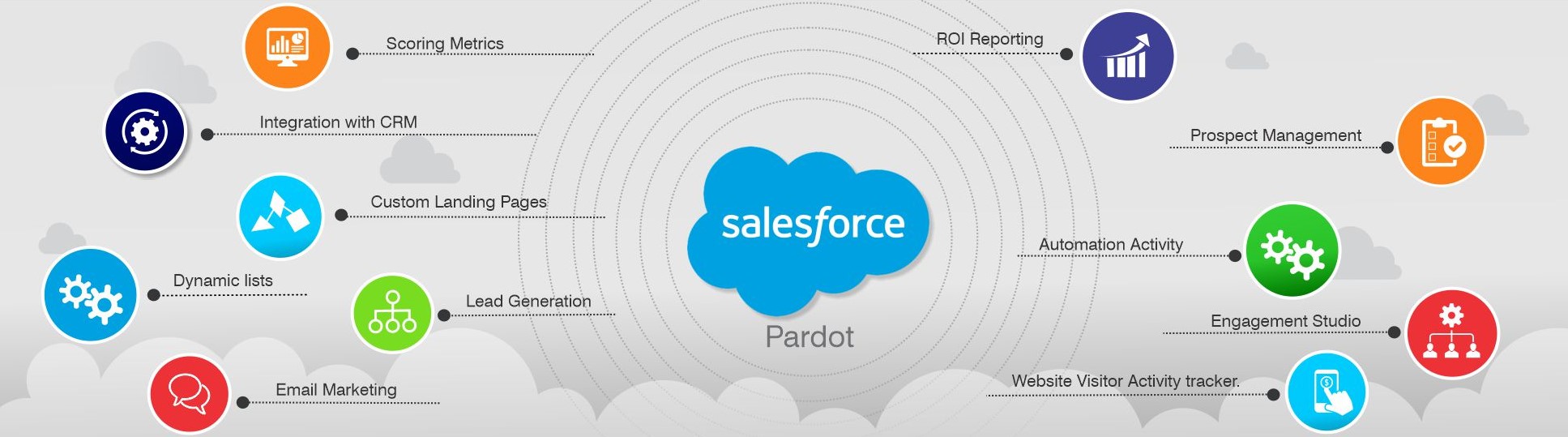
A popular solution for the mass distribution of content among Salesforce users is Pardot. Pardot is a marketing automation tool offered by Salesforce that boosts communications with potential and current investors. Moreover, it is important to evaluate CRM solutions such as Backstop, Clienteer, Dynamo, or Salesforce to ensure that your team is maximizing their functionality.
The unexpected transition to remote work was a daunting task that will have lasting impacts throughout the financial services industry. Organizations must align their processes and technology if they desire a seamless changeover. Technologies such as Microsoft Teams & SharePoint, an Operational Assessment, and a dedicated Management Team are likely required. FinServ has served as a trusted advisor to the world’s leading Asset Managers & Financial Institutions for more than 15 years and is the ideal partner for facilitating this conversion.
About FinServ Consulting
FinServ Consulting is an independent experienced provider of business consulting, systems development, and integration services to alternative asset managers, global banks and their service providers. Founded in 2005, FinServ delivers customized world-class business and IT consulting services for the front, middle and back office, providing managers with optimal and first-class operating environments to support all investment styles and future asset growth. The FinServ team brings a wealth of experience from working with the largest and most complex asset management firms and global banks in the world.
The Most Impactful Feature of Salesforce’s Summer 20 Release
In FinServ’s opinion, the new Kanban Split View is the most exciting feature of the Salesforce Summer ’20 Release. In this article, we will highlight how Funds and Financial Services companies can take advantage of this new feature to realize maximum benefit and ROI. If you would like more insight into these updates and how to implement them, please feel free to contact us at info@finservconsulting.com or by completing our Salesforce inquiry form
Expedited Prospect Data Updates with the Kanban Split View
Sales and Marketing teams are constantly working through the list of their top prospects each day. They realize that updating Salesforce with the latest key info is critical to moving the pipeline forward.
The Kanban view was a huge step forward in previous Salesforce releases. By providing a visual pipeline with the ability to drag and drop items to the next stage, it made pipeline stage updates much more efficient.
Up to this point however, the process of editing these records was a tedious, click-heavy effort of having to go into each record, edit the record, save the record, refresh the screen, and move onto the next record to edit.
With the Salesforce Summer ’20 release, users now have the Split View for Standard Navigation feature. This exciting new feature allows the user to highlight the record they want to edit, right in the Kanban view, and edit the key fields all from the same screen!
Sales and Marketing teams will save hours of time with a level of efficiency previously unattainable in any CRM. By making it easier to update the record, it also promises to improve the quality of the data for the Executive and Investor Relations teams as well.
Split View for Standard Navigation in Kanban View

Key Considerations:
- You must have a Sales Path setup for the Object you want to use this for
- The Sales Path will ask you to select the Key Fields you want to be able to Inline Edit
a. The Key Fields can and should be different for each stage to ensure you are providing your team the quick edit access they require
b. The Key Fields are limited to just 5 per stage, so pick carefully - Provide Guidance in each Stage to ensure your team fully understands what is expected to be filled in and you gain maximum value from the quality data
Salesforce Video on this Exciting New Feature
Conclusion
The Summer ’20 Release is schedule to arrive on July 18th. FinServ Consulting, a top Salesforce Partner with a focus on the Asset Management sector, ensures our clients take advantage of the most important features of each release and maximize their investment in Salesforce.
Over the next few weeks, we will continue to highlight the new features we see as most valuable to our clients, with a unique focus on our industry. Upcoming posts will include exciting new developments to Lightning Flow, which is fast becoming the most useful tool in the Salesforce arsenal for process automation.
If you are interested in any of these features and want help implementing them or just have a question about them, please contact us here or by email at info@finservconsulting.com and we would be happy to help.
About FinServ Consulting
FinServ Consulting is an independent experienced provider of business consulting, systems development, and integration services to alternative asset managers, global banks and their service providers. Founded in 2005, FinServ delivers customized world-class business and IT consulting services for the front, middle and back office, providing managers with optimal and first-class operating environments to support all investment styles and future asset growth. The FinServ team brings a wealth of experience from working with the largest and most complex asset management firms and global banks in the world.
What You Need To Consider When Choosing A New OMS
Undergoing technological change or implementing a new system is not something to be taken lightly in ordinary market environments, much less during a time of extreme or abnormal market volatility. If your fund or organization is planning to implement a new OMS or replace a legacy OMS, there are several things you should consider.
From a business and investment standpoint, there are the usual key considerations, including: the need for integrated OMS/EMS functionality, whether ease of use important, ability to customize workflows and if there is a desire for extensive client/marketplace connectivity. From an operational perspective, one must also consider other non-functional items like data migration (and how easy it is to implement), the software support model, modularity and future expandability.
The aforementioned list only touches the surface; the overarching themes involve automation, workflows, analytics and decision-support tools. In fact, in a recent Refinitiv/Greenwich Associates paper, traders ranked an EMS as the most impactful technology in the short-term.
OMS vs EMS
In general, hedge funds treat the Portfolio Manager (PM) and Trader workflows as a single unit, whereas traditional asset managers may have additional bifurcation between roles and responsibilities. At a hedge fund where the PM sends orders via email/chat/voice to a trader to execute, they may want a single, integrated OEMS. On the other hand, an asset manager often has multiple PMs who route orders to a centralized trading desk. In this case, the institution may want a solution with specific standalone OMS and EMS functionality, in order to access best-of-breed functionality.
The trend in the marketplace for a while has been OMS vendors integrating additional trading functionality by buying or building EMS solutions. This results in the ability to capture and allocate client orders while also capturing execution details to help the firms comply with regulatory requirements. Additionally, this allows them to market themselves as an all-in-one solution and would insulate the client from having to integrate yet another vendor into their technology stack.

Source: Charles River Development
Ease of Use
Being able to get your operations, back office and front office users onboarded and using the software as quickly as possible can be a heady concern for most clients. In theory, this sounds simple, but many legacy OMS were designed with a single asset class in mind. If your client is now multi-asset, multi-strategy and trading a variety of instruments in volume, it’s even more imperative that a system be easy to use and operate as one cohesive platform.
A modern interface with intuitive workflows can be a competitive advantage especially if the fund’s current OMS platform is antiquated and requires, in a worst case scenario, dual entry or swivel-chairing in order to execute and fill an order. (Swivel chairing involves a PM creating orders/allocations in an OMS and then sending them over to trader for execution in an EMS).
Ease of Customization
A vendor’s product team always has to find the right balance of customization and the notion of a standard offering for the client. However, in this day and age where customizability is king, most vendors are client-driven and willing to bend over backwards for their clients. Enfusion Systems, whose product features weekly upgrades, has marketed their product as being easily customized. In a recent implementation with an asset manager, Enfusion agreed on development of specific functionalities within their platform that would position them well for the changing OEMS marketplace. The client agreed on an OMS implementation, while also using Enfusion’s Services team for reconciliations (the client still kept some functionality in-house, like collateral management).
Client/Marketplace Connectivity
Most multi-strategy funds that trade a wide breadth of products across different asset classes and venues will always be excited at the prospect of having a vendor whose product comes pre-packaged with existing API connectivity to brokers, venues and marketplaces. Many clients have a baseline expectation of connectivity with a full suite of partners across the spectrum of asset classes. If this is not currently in the vendor’s repertoire, the expectation is that connecting to new trading venues and brokers would be trivial.
Data Migration
One of the most underestimated Issues that can be the source of delays for most implementations is data migration. What seems like a simple exercise to port accounting/trading data from the client’s old system to the new system can lay bare a client’s unreconciled data and inconsistencies between trading data and official books and records. Having clean, reconciled source data from the client that can be matched to the client’s custodian or fund administrator sounds simple. In practice, many things can go wrong and be a source of delays. Finding a vendor who has experience successfully migrating trade data, for funds that are similar to their current structure, in a timely manner is the holy grail.
Our Implementation Project with Enfusion and an Asset Manager
FinServ is currently engaged with an institutional asset manager on the implementation of Enfusion’s comprehensive front-to-back trading software product. The asset manager is looking to implement a new front-to-back office system for one of their businesses. Because their current portfolio management system is a legacy product, the product features were outdated and users found the workflows to be inefficient. By implementing a new portfolio and order management system, they would be able to control service levels and more importantly, they would be able to custom develop functionality that match their growing business needs.
After an extensive vendor selection process, the asset manager chose Enfusion Systems. Enfusion was able to make their choice easy due to their cloud-based solution, which provides integrated order and execution management as well as middle office and IBOR services. Although not the focus of this article, the asset manager was also looking to outsource part of their back office to Enfusion’s Services team. Using one vendor for both OMS and back office was one of the key drivers behind their decision. In addition, having a single data model also provided a golden copy for data for all users across all functions. Since the asset manager’s business model involved trading a diverse set of product types and made use of heavy derivatives, Enfusion’s ability to handle multiple asset classes also made sense.


Considerations
Because implementing a new OMS was such a large effort, the timelines for launching and migrating an initial account and eventually the entire business spanned much longer than a year. A decision was made to have a phased approach, where specific sets of strategies and funds would be moved to the new platform in stages.
In order to alleviate some concern that the execution tools, order management workflows and trade compliance functionality would not be replicated completely (due to extensive in-house custom enhancements over the years), Enfusion worked closely with the client to address these items.
From the client’s standpoint, adding a new system would also add additional complexity – additional integration points, extra feeds into and out of their books and records system, the necessity to have Trading operate out of multiple platforms simultaneously, a bifurcation of the client’s Operations team to handle both sets of systems and lastly, having PMs manage portfolios and strategies across multiple systems during the phased implementation.
“Enfusion and FinServ worked side-by-side during this project – we ran implementations, gathered clients’ requirements and dived deep into the use cases. Both parties were truly collaborative and this enabled accountability with the client. FinServ has tremendous project management experience and it was great partnering with them.”
– Brad Flax, VP of Business Development at Enfusion
Summary
If you are interested in learning more about our current and past Enfusion implementations, please reach out to FinServ. Throughout our 15 years of existence, we have proven that our deep industry knowledge combined with our project management and overall best practice methodologies can be an asset to your organization. To further continue the conversation or to discuss more of FinServ’s capabilities, please contact FinServ at info@finservconsulting.com or give us a call at (646) 603-3799.
About FinServ Consulting
FinServ Consulting is an independent experienced provider of business consulting, systems development, and integration services to alternative asset managers, global banks and their service providers. Founded in 2005, FinServ delivers customized world-class business and IT consulting services for the front, middle and back office, providing managers with optimal and first-class operating environments to support all investment styles and future asset growth. The FinServ team brings a wealth of experience from working with the largest and most complex asset management firms and global banks in the world.
HCM for Asset Managers: Find the Right Solution for Your Firm
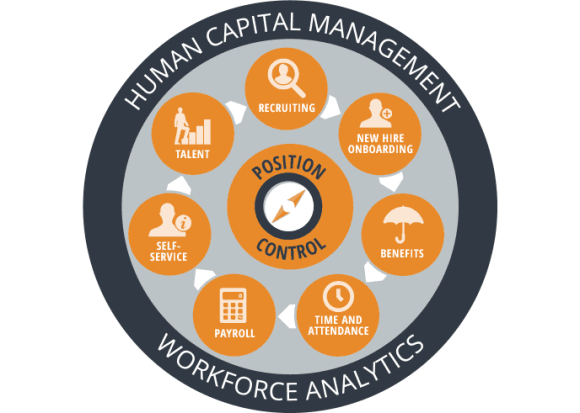
An HCM solution is an integrated system that automates HR functions combined with finance, planning, and analytics and allows for employee self-service capabilities, thereby reducing labor costs, optimizing business processes, and increasing efficiency. Companies that transition from manual processes and disparate legacy systems to modern, cohesive digital workforce management technologies can realize up to 15-25% cost savings related to HR and IT spend.
Most current HCM solutions are offered as a cloud-based, SaaS delivery model and include modules for payroll, HR, time and labor management, and recruitment. This type of solution does not require an expensive hardware investment and constantly updates software to the latest version while maintaining secure backups. These systems are monitored at all times and provide the utmost reliability. An added plus for asset managers is that the solutions can be customized to suit the size of any company and grow as the organization grows.
At FinServ Consulting, we have experience working with firms of various sizes in the alternative asset management industry to select, implement, and/or upgrade their HCM systems. While there are numerous benefits of having one comprehensive, integrated HCM, there are other options available on the market such as lite solutions that meet basic needs without all the added features that may not be necessary for some firms, as well as point solutions that cater to the industry’s unique needs, like complicated compensation structures. FinServ can help assess your company’s specific requirements to identify what to be aware of in terms of missing features, implementation issues, and cost-benefit analysis of different HCM options.
Benefits of a Consolidated HCM
Attract and Grow Talent
Recruiting top talent and keeping them engaged is no longer just HR’s responsibility—talent objectives can have a significant financial impact on growing a financial services business. Implementing a new HCM system can help enhance performance management processes to eliminate bureaucracy and encourage meaningful conversations between managers and employees focused on performance improvement. In addition, better compensation data and visibility of top talent allow managers to make more well-informed decisions regarding performance and rewards.
Some clients in the alternative asset management space that FinServ has previously worked with used manual spreadsheets to manage staff performance, as well as recruiting and other functions in some cases. However, by opting for a consolidated HCM system, these organizations were able to use more sophisticated workflows to provide employees with more meaningful feedback. Also, they could track and monitor operational outcomes and staff development across the company to ensure a payback from their HCM investment.
Make Better Informed Decisions
Asset management firms in the current environment face increasing regulatory scrutiny, such as GDPR, AIFMD, and Form PF, and constantly evolving standards. In order to meet the new generation of demands, these companies need to make well-informed investment decisions with visibility into all business lines. However, this is a difficult task when the data required to deliver these insights is housed in disparate legacy systems with varying formats and level of detail. This is where having consolidated HCM comes in—a single system for finance, HR, planning, and analytics can offer the necessary foundation to gain better insights, save time on data aggregation, and proactively solve business problems. A digital solution of this type can help improve business margins, provide competitive differentiation, attract and retain customers, and identify lucrative areas for growth.
Harness the Power of Modern Data
Today’s financial companies have an unprecedented amount of valuable data across their organization. However, many are still not able to access this data due to isolated, unorganized, and inaccurate legacy systems. The data warehouses that are typically accessed by business intelligence tools to create reports or perform financial analyses hold data that was accurate at the time it was loaded and refreshed from legacy systems, resulting in a high likelihood that it is out-of-date and unreliable. As a result, financial services firms often turn to add-on custom software solutions to try and achieve real-time data extraction, but these products often produce further challenges because they require continuous maintenance to keep up with the changing needs of the business.
Implementing a contemporary, consolidated HCM system allows firms nimble access to the real-time data that is necessary for constantly changing business needs. These solutions include technologies, such as cloud computing, open APIs, artificial intelligence, and machine learning, that make insights transparent and accessible across lines of business.
Build Organizational Agility
Being agile is key to an asset manager’s long-term success and there are several factors at play in building organizational agility:
- Adaptable: A flexible technology foundation is essential to be able to change organizational structures and processes in response to regularly shifting business needs.
- Skilled: Financial services firms, among others, face a widening skill gap and must find ways to upskill their workforce.
- Empowered: In order to perform at the highest potential to meet evolving consumer expectations and drive success, employees need full access to data to make business decisions.
- In Control: The need for measurement and control goes hand in hand with agility and speed. Asset managers must measure more relevant KPIs to learn from what works and what doesn’t when it comes to new digital revenue streams.
There are common obstacles that firms must overcome to meet the guidelines above, including inflexible legacy technologies, bureaucratic organizational culture, and a lack of relevant employee skills. By using a comprehensive HCM solution to add intelligence to business tasks, financial firms can move past these challenges and employ integrated, real-time planning in order to build organizational agility and realize their digital growth aspirations.
Choose the Right Solution
As mentioned previously, there are many HCM offerings available on the market and it is important to select the right one to meet your firm’s unique needs. There are several factors to consider, such as the needs and priorities of the business, size of the firm, and desired metrics and reporting abilities. FinServ Consulting has experience working with asset management firms to identify and implement a suitable HCM solution. We can help you make the right decision and take full advantage of the capabilities and rewards that the new solution will provide.
Summary
If you are interested in establishing or improving your firm’s HCM platform, FinServ Consulting is the right partner to help you reach your firm’s strategic objectives. Throughout our 15 years of existence, we have proven that our deep industry knowledge combined with our project management and overall best practice methodologies can be an asset to your organization. To further continue the conversation or to discuss more of FinServ’s capabilities, please contact us at info@finservconsulting.com or give us a call at (646) 603-3799.
About FinServ Consulting
FinServ Consulting is an independent experienced provider of business consulting, systems development, and integration services to alternative asset managers, global banks and their service providers. Founded in 2005, FinServ delivers customized world-class business and IT consulting services for the front, middle and back office, providing managers with optimal and first-class operating environments to support all investment styles and future asset growth. The FinServ team brings a wealth of experience from working with the largest and most complex asset management firms and global banks in the world.
Robust Integration with Salesforce
Integrating external data feeds from your Administrator can facilitate operations and eliminate many of the daily bottlenecks faced by employees. Investor Relations teams may struggle to adequately communicate key performance and investment data to investors if they are simultaneously juggling numerous information sources. Directly feeding Administrator data into Salesforce will allow them to navigate a singular system while answering critical questions. Moreover, you can finally eliminate your countless excel files and the associated processes that mandate excessive manipulation.
Salesforce boasts impressive reporting and data visualization functionality that will enable your firm to draw deeper insights. The amalgamation of Salesforce Reports, Dashboards, and real time data will allow your organization to create visualizations highlighting key investor and performance metrics. Thus, augmenting personnel’s ability to anticipate client needs and answer their questions. FinServ has developed an assortment of pre-built reports and dashboards that isolate data pertaining to investment strategy, region, fee structure, performance, and more.
How to Integrate Your Data
Salesforce offers three primary tools for uploading data into Salesforce: Data Import Wizard, Data Loader, and dataloader.io. Each tool is applicable in its own right with differing use cases and functionality. The Data Import Wizard does not require installation and can easily be found by performing a quick search within Setup. Once you open the Data Import Wizard, it is as simple as selecting your CSV file and mapping the fields via the Salesforce Interface. Although the Data Import Wizard is a useful tool for basic uploads, it’s record count is limited to 50,000 and it cannot export data. The Data Import Wizard can be leveraged for both Custom Objects and Standard Objects such as Accounts, Contacts, Campaign Members, Leads, and Solutions.
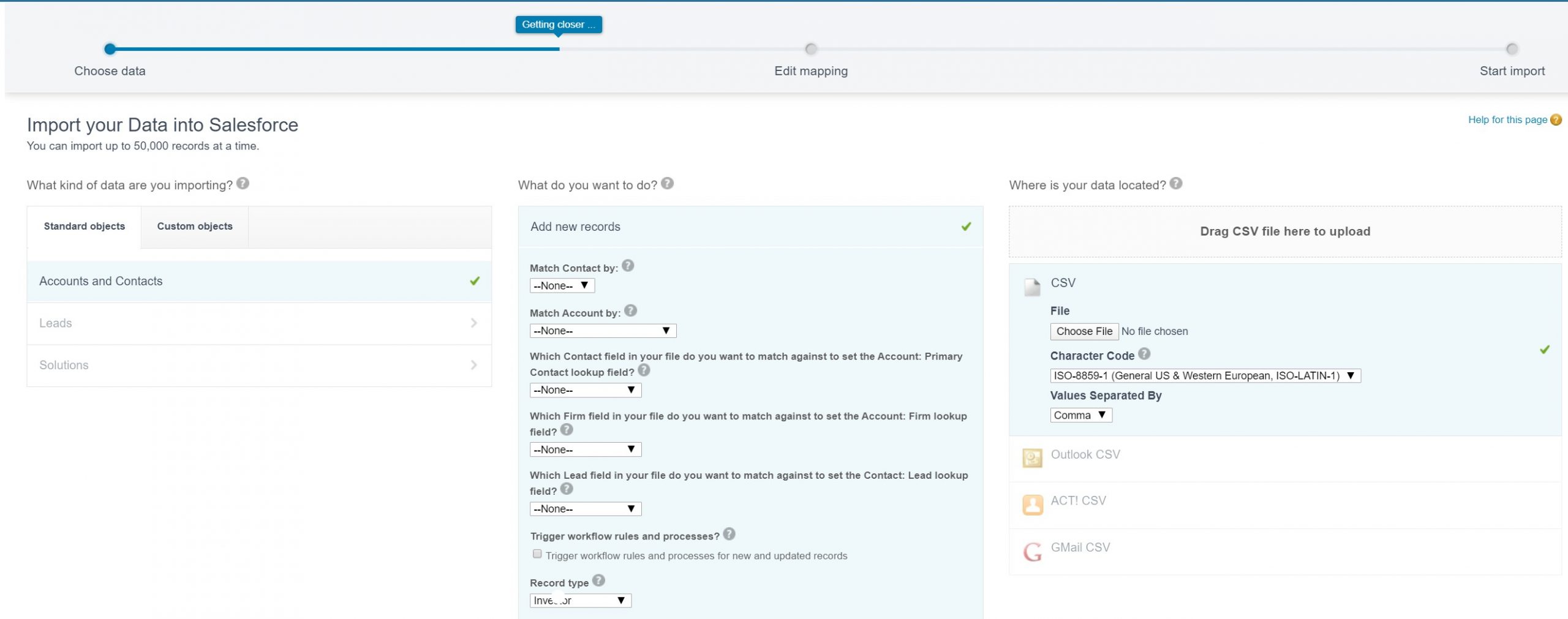
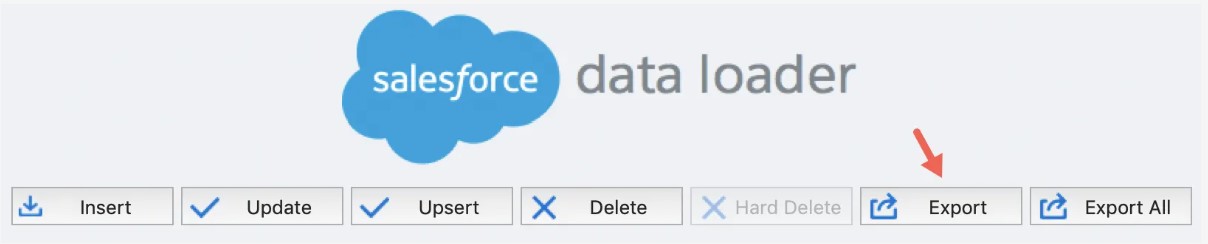
Data Loader is a more robust data integration solution than Data Import Wizard. It is an external client application and therefore requires installation. The Data Loader facilitates the importation of 5,000 to 5 million records and is inclusive of both data exportation and deletion functionality. Users can specify configurations with the user interface or command-line interface. More advanced users can use the command-line interface to automate their data processing needs. However, the command-line interface is limited to Windows users and uses the Salesforce Object Query Language.
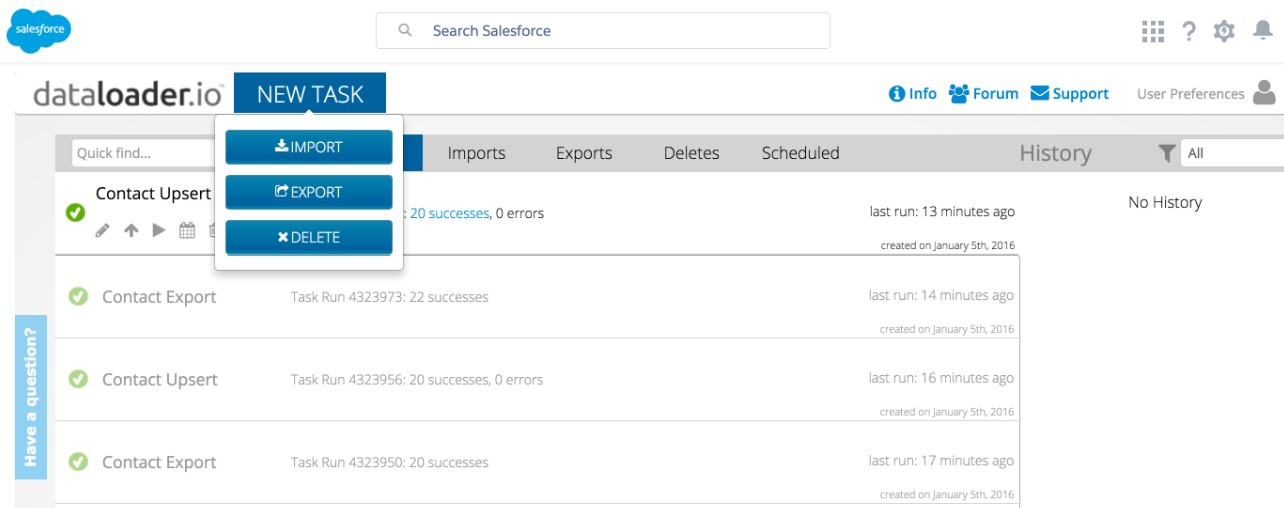
The final and most developed option is the cloud based MuleSoft solution known as dataloader.io. Similar to Data Loader, dataloader.io boasts importing, exporting, deleting, and scheduling capabilities. However, it can pull data from a variety of sources such as Box, Dropbox, FTP and SFTP repositories. Data Loader’s functionality is dependent on the package offering (Pricing Information) and has 3 editions that are priced at $0, $99, or $299 per month per user. The number of records, file size, and related objects ranges from 10,000, 10MB, and 1,000 to Unlimited, 100MB, and 100,000 per month.
How FinServ Can Help
FinServ’s completion of hundreds of projects spanning the Back, Middle and Front Offices for more than 40 of the top 100 Alternative Asset Mangers has enabled an expertise in industry processes, technological solutions, database management, and more. Additionally, FinServ has a deep understanding of the granular details associated with constructing a customized data model that fulfills your funds operational needs. FinServ is an accomplished integration partner due to countless experiences with Administrators and other Third-Party Data Sources.
Identifying the correct data may appear intuitive, but it is a common pain point throughout the industry. FinServ will host sessions with your various teams to identify and document their requirements. Thus, enabling the structured categorization of necessary and superfluous data. Directly integrating data into Salesforce allows for the elimination of unnecessary calculations that often mandate reconciliation. Subsequently reducing strain on your infrastructure and employees to allow for concentration on value rather than performing endless maintenance.
FinServ’s role extends well beyond the traditional tasks associated with integrating your data feeds. Business processes optimization and the identification of enhancements will originate from more than 15 years of experience within the Alternative Asset Management industry. FinServ will consolidate systems, document procedures, ensure successful implementations, and redesign processes to construct a simple and efficient approach that supports both your business and personnel.
About FinServ Consulting
FinServ Consulting is an independent experienced provider of business consulting, systems development, and integration services to alternative asset managers, global banks and their service providers. Founded in 2005, FinServ delivers customized world-class business and IT consulting services for the front, middle and back office, providing managers with optimal and first-class operating environments to support all investment styles and future asset growth. The FinServ team brings a wealth of experience from working with the largest and most complex asset management firms and global banks in the world.
Controls Meet Cost Savings: Market Data Expense Management Systems
Global market data spend recently exceeded $30 billion per year1. In an increasingly data-driven investment world, market data spend is only expected to rise, as firms seek out new alpha-generating data sets to enhance returns. Additionally, quantitative investment strategies have never been more in vogue with investors; the literal arms race to find better, more powerful data sets is sometimes merely just a struggle to “Keep Up with the Joneses”.
Market data is a critical component of modern fund management; however, wrangling market data expenses has never been more important due to rising costs and increasing complexity. In this article, FinServ will cover:
- Why is Market Data Expense Management Important?
- What Makes Market Data Expense Management Hard?
- What Technology Solutions are Available?
- Complementary Solutions and Services
- How FinServ Can Help
Why is Market Data Expense Management Important?
Market data is a Top 5 expense at most investment managers, but it is often the #1 headache. Although other expenses like employee compensation, real estate, and general technology spend reach similar (or greater) heights, market data expense management often lacks the same direct and consistent level of stewardship. Everyone wants to decrease market data expenses, even though they tend to be the least understood (e.g. complex contracts, metered services) and it is easy to pass the buck on ownership between technology, finance, operations, and the front-office. Strong, centralized control of the market data management process can help firms save millions by eliminating unused and underutilized services; however, even when market data has an organization’s focus, there are several inherent challenges with managing market data expenses without help.
What Makes Market Data Expense Management Hard?
Market data is incredibly costly and difficult to manage due to its complexity. Market data expense managers are tasked with providing structure to market data programs facing an ever-growing list of responsibilities and related challenges. These include managing a variety of execution-focused priorities, while also driving organizational change via strategic initiatives like optimizing data usage/flow and cutting out unnecessary costs. These activities include:
Expense Allocations & Invoice Reconciliation Controls:
- Market data allocations are usually more complex than vanilla corporate expenses. A single invoice could get allocation to some combination of individuals, groups, departments, and/or strategy (e.g. fund AUM-based allocations).
- This requires a clear understanding of the market data services and solutions currently in use, including an understanding of services purchased. How you pay matters as well; any soft dollar payments should be tightly managed along with appropriate firm compliance officers.
- Due to the volume and complexity of market data vendor invoices, the invoice reconciliation process demands a strong technological solution to facilitate daily market data expense management.
Usage Management:
- Keeping track of actual market data usage is required to get a handle of how to cut unnecessary costs. This includes knowing which applications use specific data, how it’s licensed, and when renewals will occur.
- Market data usage and expense reports are required for the business to make informed decisions related to overall needs. This includes a mechanism to track usage and verify that it is in line with the original business objective.
- Mitigate audit exposure as a firm and remediate any compliance breaches. Understand how the firm’s contracted capabilities compare with actual data usage. Determine if licenses exist for all services utilized across the organization?
Strategic Platform Management:
- Review and implement industry best practices for market data expense management.
- Align the overall strategy with the strategic initiatives of the business and technology teams.
- How may the organization optimize market data consumption across the board to reduce costs?
- How many data vendors are currently used?
- Are any services duplicative/redundant?
- Are there any unused/underutilized services?
- Are there better platforms available for meeting corporate strategy?
What Technology Solutions are Available?
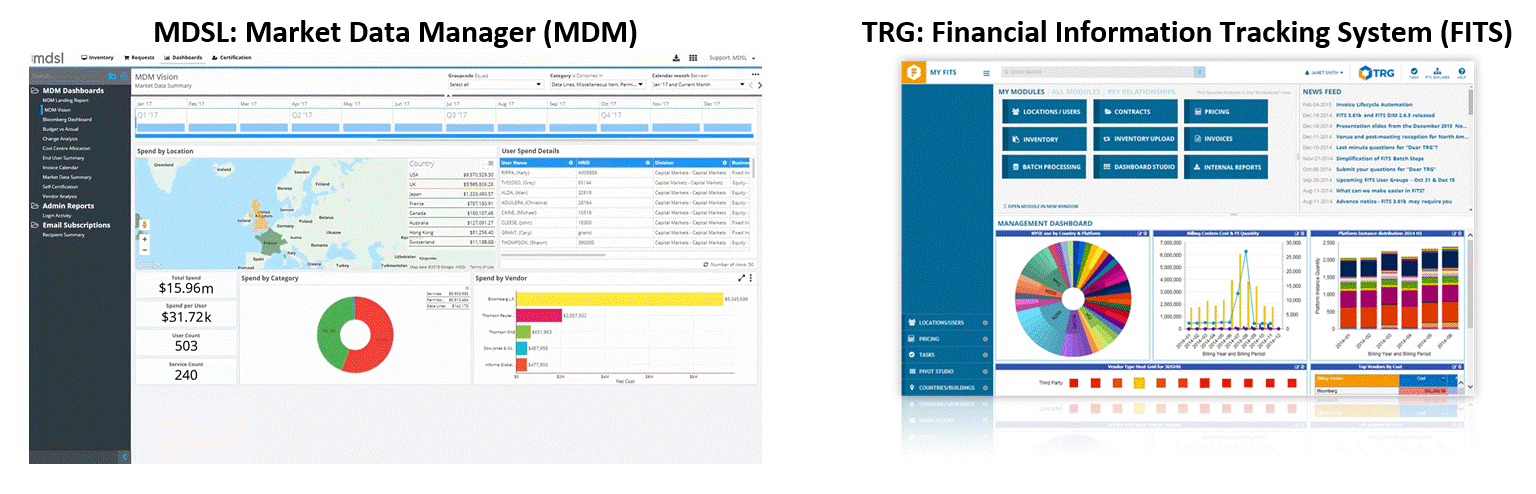
MDSL: Market Data Manager (MDM) and TRG: Financial Information Tracking System (FITS) are two of the leading market data expense management system providers in the financial services and asset management space. The overall landscape has been heavily influenced by private equity merger and acquisition activity. MDSL recently merged with Calero, a telecom expense vendor, and TRG acquired a third player in the market data expense marketplace called Screen: INFOmatch in 2019. Both MDSL and TRG aim to provide structure and clarity to manage firmwide market data, research, software and enterprise subscription spend on subscriptions to market data providers like Bloomberg, Reuters, and FactSet.
- Contract Management and Centralized Inventory: Allows organizations to track, organize, and calculate costs related to market data vendors, contracts, products, and users. Contracts and licensing inventory details may be captured to create a centralized inventory of market data assets for use in invoicing and allocation.
- Compliance Workflow: Compliance approval workflows may be leveraged to review soft and hard dollar eligible costs.
- Invoicing Workflow, Reconciliation, and Allocation: Invoice processing becomes streamlined when matching against structured inventory records. Robust organizational structures may be accommodated to allocate to departments, groups, and/or individual users.
Complementary Solutions and Services
- Managed Services: Both MDSL and TRG offer managed service offerings inclusive of contract maintenance, compliance reviews, and invoice reconciliations. If you are underwater with your current market data expense management process, consider leveraging managed services as part of an initial implementation.
- Usage Monitoring and Control Products: MDSL: Access Compliance Engine (ACE) and TRG ResearchMonitor provide access controls and usage monitoring for subscription services, allowing you to reduce spend on underutilized services and directly ensure compliance with data access contracts/agreements.
How FinServ Can Help
Managing market data expense is often a headache for investment managers, but there are several leading marketplace solutions that help relieve the burden placed on market data managers. FinServ Consulting’s industry expertise and unparalleled track record of service for asset management clients makes us the right partner to help you select the right solution for your organization.
To learn more about FinServ Consulting’s services, please contact us at info@finservconsulting.com or (646) 603-3799.
About FinServ Consulting
FinServ Consulting is an independent experienced provider of business consulting, systems development, and integration services to alternative asset managers, global banks and their service providers. Founded in 2005, FinServ delivers customized world-class business and IT consulting services for the front, middle and back office, providing managers with optimal and first-class operating environments to support all investment styles and future asset growth. The FinServ team brings a wealth of experience from working with the largest and most complex asset management firms and global banks in the world.